
 |
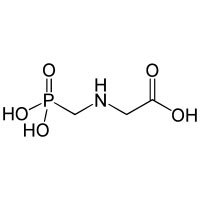
Effective Weed Management for Major Crops Glyphosate efficiently targets and controls a range of weeds in crops such as corn, soybeans, wheat, and others. It acts by inhibiting amino acid synthesis, ensuring your fields remain competitive, with minimal weed interference. With broad crop applicability, glyphosate supports increased productivity and cleaner harvests. Multiple Formulations and Application Methods Formulated as both liquid concentrates and granules, glyphosate provides flexibility for varied requirements. Its high solubility in water and odourless nature make it easy to handle during spray application. Controlled-release options ensure gradual herbicidal action for extended protection. Storage and Longevity For optimal performance, glyphosate should be stored in cool, dry conditions within plastic containers or bulk drums. Proper storage ensures its effective shelf life of 2-3 years, maximizing investment value for farmers, exporters, and distributors. FAQ's of Glyphosate :Q: How should glyphosate be applied to target weeds in crops like corn, soybeans, and wheat?A: Glyphosate should be applied as a spray, using water as the carrier. Adjust the dosage according to the specific weed species and crop for optimal control. Follow the manufacturer's guidelines for mixing and application rates.Q: What is the main benefit of using glyphosate in agricultural fields?A: Glyphosate provides highly effective weed control by inhibiting amino acid synthesis, resulting in fewer weed issues and promoting healthy crop growth. Its application helps maximize crop yields and minimize competition from unwanted plants.Q: When is the best time to apply glyphosate herbicide?A: Glyphosate is best applied when weeds are actively growing and before they reach maturity. This timing ensures the herbicide is efficiently absorbed and delivers optimal results against target weeds.Q: Where should glyphosate be stored to maintain its shelf life?A: Glyphosate should be stored in a cool, dry place, ideally within tightly sealed plastic containers or bulk drums. Proper storage maintains its efficacy for 2-3 years under recommended conditions.Q: What process does glyphosate use to eliminate weeds?A: Glyphosate works by inhibiting the synthesis of essential amino acids in plants. This disruption leads to the targeted weed's inability to grow and ultimately results in its death, safeguarding the intended crops.Q: What types of glyphosate formulations are available?A: Glyphosate is available as liquid concentrates, granules, and controlled-release formulations. These diverse options allow for flexible application according to specific crop and operational needs. |
 |
Copyright © 2026-27 by Kalyani Industries Ltd. All Rights Reserved. | Design & Developed By: tradeindia.com | Sitemap | XML | RSS
