
 |
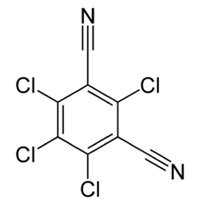
Comprehensive Defense Against Fungal Diseases Chlorothalonil delivers reliable protection for numerous crops by interrupting the development of fungal pathogens. Its solid, water-insoluble form ensures long-lasting adherence on plant surfaces. Using chlorothalonil helps maintain healthy crops and enables higher agricultural productivity, making it a valuable choice for farmers. Detailed Chemical Profile With the molecular formula C8Cl4N2, chlorothalonil is chemically known as 2456-Tetrachloro-13-dicyanobenzene. This fungicide is notable for its low solubility in water, ensuring minimal runoff and environmental impact. It meets international standards, as indicated by its EINECS No. 217-588-1. FAQ's of Chlorothalonil:Q: How does chlorothalonil protect crops from fungal diseases?A: Chlorothalonil acts as a preventive fungicide by inhibiting enzyme systems in fungal pathogens, thereby disrupting their development and spread on crops.Q: What is the recommended usage of chlorothalonil in agriculture?A: Chlorothalonil is typically applied to crops before visible signs of disease, either as a foliar spray or by other approved methods, to provide protective coverage and prevent fungal infections.Q: When should chlorothalonil be applied for optimal results?A: It is best to apply chlorothalonil early in the crop cycle or at the first indication of disease-conducive conditions, as it works most effectively as a preventative treatment.Q: Where can chlorothalonil be sourced from in India?A: Chlorothalonil is available through reputable exporters, manufacturers, and suppliers based in India, who adhere to quality and safety standards to ensure effective crop protection products.Q: What is the application process for chlorothalonil on crops?A: Chlorothalonil is usually mixed with water according to label instructions and applied evenly to crop foliage, ensuring coverage for thorough protection against fungal pathogens.Q: What benefits do farmers gain from using chlorothalonil?A: Farmers benefit from improved crop health, reduced fungal outbreaks, and increased yields, thanks to chlorothalonil's broad-spectrum and preventive properties. |
 |
Copyright © 2026-27 by Kalyani Industries Ltd. All Rights Reserved. | Design & Developed By: tradeindia.com | Sitemap | XML | RSS
