
 |
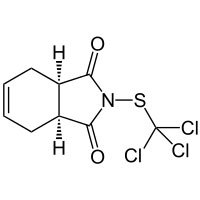
Broad-Spectrum Fungal Control Captan provides robust protection against a wide range of fungal pathogens, making it suitable for managing diseases like blight, mildew, and rot across fruits, vegetables, and ornamentals. Its active chemical composition ensures reliable results while helping increase crop yield and quality. Versatile Application and Formulation Available in both powder and granule forms, Captan is formulated for spraying methods. Users benefit from its slow-release properties, which offer prolonged protection. The product is easily transportable and packaged securely in bags, drums, or containers for convenient on-farm use. FAQ's of Captan:Q: How should Captan be applied to crops for optimal results?A: Captan is best applied by spraying onto the target crop, ensuring full coverage of plant surfaces where fungal infections are likely to occur. Always follow crop- and pest-specific dosage recommendations to maximize effectiveness.Q: What crops are most suitable for Captan treatment?A: Captan is recommended for use on fruits, vegetables, and ornamental plants. Its broad-spectrum action effectively targets common fungal diseases such as blight, mildew, and rot.Q: When is the best time to apply Captan?A: The optimal timing for Captan application depends on the crop and disease pressure. Generally, it is applied preventively or at the first sign of disease, and treatments may be repeated as indicated by disease risk and local guidelines.Q: Where should Captan be stored to maintain its shelf life?A: Captan should be stored in a cool, dry place away from direct sunlight, ideally in its original packaging. Proper storage conditions help maintain its efficacy for up to two years.Q: What is the process for mixing Captan before application?A: Since Captan is provided as a powder or granule and is insoluble in water, it should first be mixed thoroughly with a suitable carrier as directed on the label before application via sprayer, ensuring that the fungicide is evenly dispersed.Q: Why choose Captan over other fungicides?A: Captan offers slow-release action, broad-spectrum effectiveness, and reliable control of multiple fungal diseases, making it a superior choice for improving crop health and yields.Q: What benefits does slow-release Captan provide during the growing season?A: Slow-release Captan ensures prolonged protection without frequent reapplication, effectively managing disease pressure throughout critical stages of crop development. |
 |
Copyright © 2026-27 by Kalyani Industries Ltd. All Rights Reserved. | Design & Developed By: tradeindia.com | Sitemap | XML | RSS
